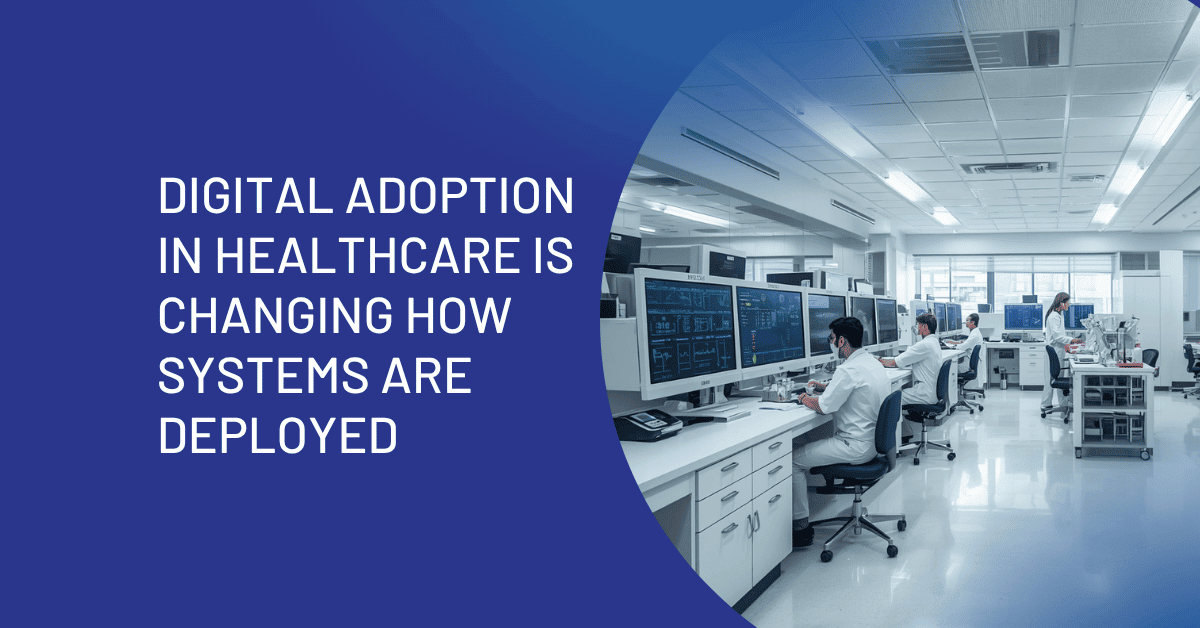
Healthcare IT isn’t shrinking, it’s resetting. After the surge of pandemic-era hiring, many health systems are stepping back and asking a hard question: does more headcount actually make us more agile?
In 2026, with tighter margins, AI initiatives accelerating, and cybersecurity demands rising, the answer often isn’t yes. Fixed labor costs can anchor an organization at the very moment it needs to move quickly.
That’s why staff augmentation is gaining ground. Instead of building permanent teams around temporary transformation cycles like cloud migrations, interoperability upgrades, revenue cycle optimization, and AI integration, organizations are bringing in specialized talent when and where it’s needed. It’s not a shortcut. It’s a more intentional way to resource innovation. Capability is no longer measured by how many people sit on the org chart, but by how effectively expertise aligns to strategy.
This shift isn’t about cutting talent; it’s about structuring smarter. The health systems that will lead the next phase of digital transformation won’t necessarily have the largest IT departments. They’ll have the most adaptable ones. In today’s environment, stability doesn’t come from permanence. It comes from flexibility.