A Flexible Portfolio of AI
for Pathology
— Without Lock-In

PathFlow supports a growing ecosystem of research and diagnostic AI applications — all accessible within a single, vendor-neutral workflow. Choose the tools that fit your practice today, evolve over time, or build your own.

An Open AI Ecosystem,
Designed for Choice

The market for pathology AI is expanding rapidly, with new applications emerging across diagnostics, research, and operational workflows.

Gestalt makes it possible to use AI without committing to a single vendor or approach.

The AI applications shown below represent a sample of tools available through the PathFlow platform. Because our architecture is vendor-neutral and interoperable by design:

AI fits into real clinical workflows — not the other way around.

Trusted AI Partners

Gestalt is a partner in transformation, not another vendor. Our platform brings together Gestalt-developed AI and leading third-party innovations – giving health systems and labs the freedom to build, integrate, and evolve AI-powered workflows tailored to their unique needs.

AI Algorithms Available Through PathFlow

This page highlights a subset of supported AI algorithms. PathFlow is designed to integrate with a wide range of third-party and custom AI models, and new algorithms are continually added.

Partner Name

Tissue Type

Stain / Modality Type

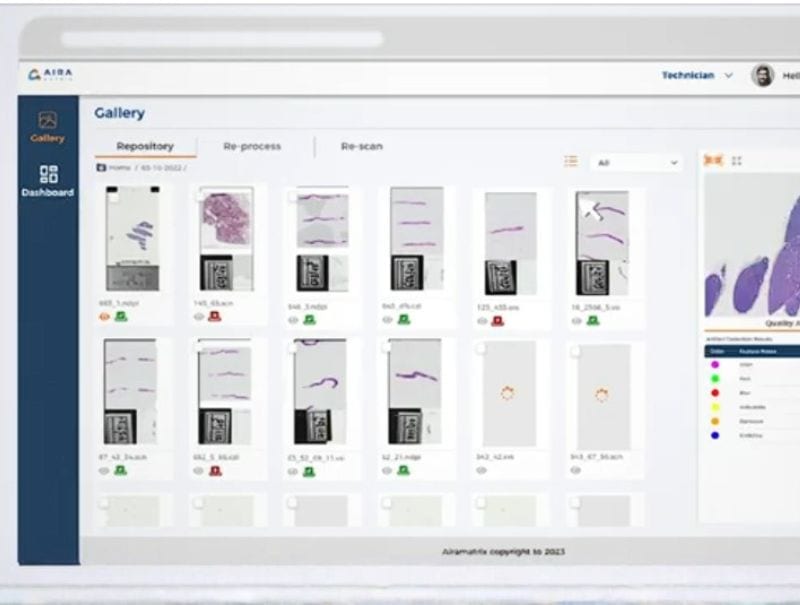
Aira Matrix's AIRAQc is available in PathFlow

AIRAQc

Partner: AIRA Matrix
Tissue Type: All
Stain / Modality Type: N/A
RUO
AI-based quality control algorithm that detects and quantifies artifacts (e.g., folds, focus issues, pen marks) in whole slide images to automatically flag or accept slides before downstream digital pathology analysis.
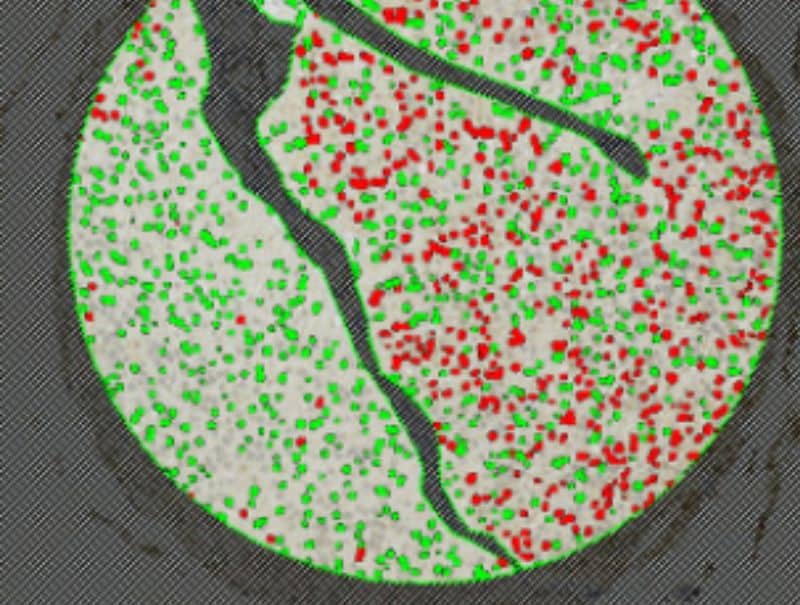
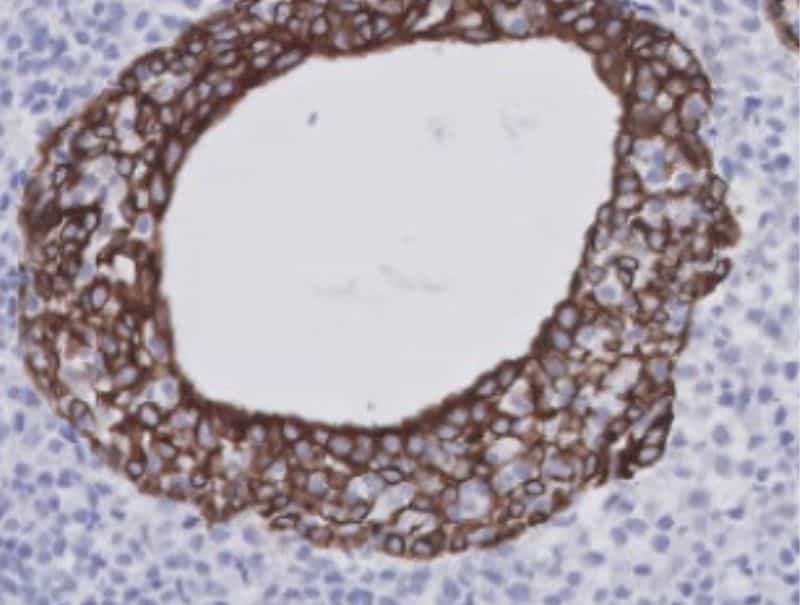
VisioPharm's Annexin 10, Bladder Cancer is available for Pathflow.

Annexin 10, Bladder Cancer

Partner: VisioPharm
Tissue Type: Genitourinary (GU)
Stain / Modality Type: IHC (DAB)
RUO
A research image analysis app that quantifies the nuclear expression of Annexin 10 in IHC-stained bladder tumor tissue, providing metrics like positive area fraction and intensity-weighted expression.
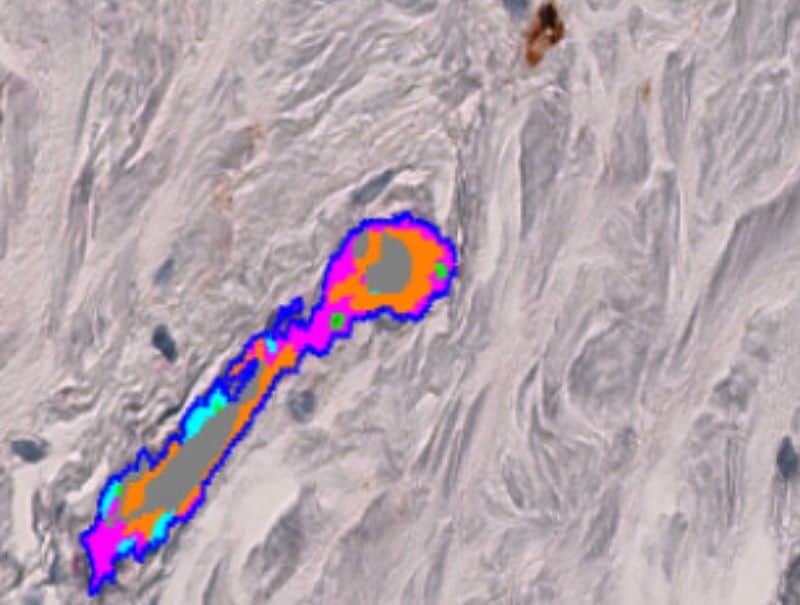
VisioPharm's aSMA+Col IV, Breast Cancer, is available in Pathflow

aSMA+Col IV, Breast Cancer

Partner: VisioPharm
Tissue Type: Breast
Stain / Modality Type: IHC (DAB)
CE-IVD
A CE-IVD–certified image analysis app for automated assessment of ASMA and collagen IV expression to support tumor–stroma characterization in breast cancer immunohistochemistry slides.
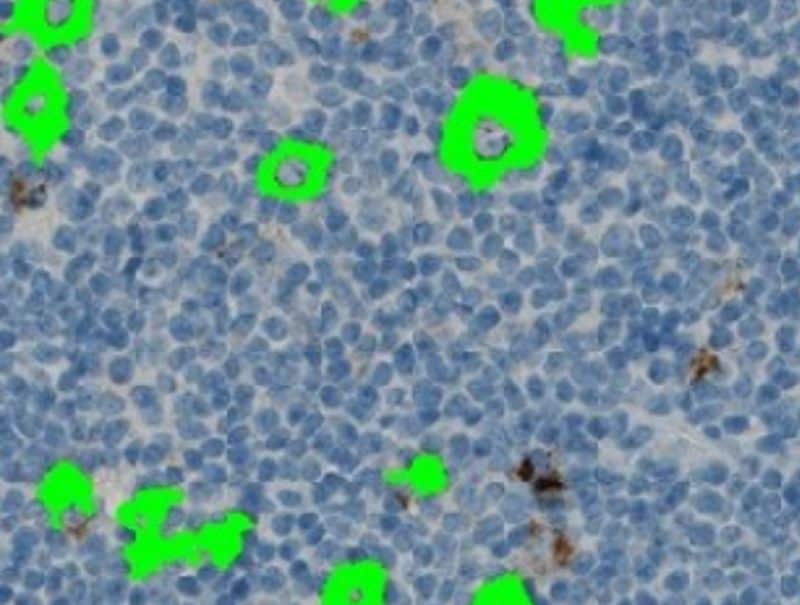
VisioPharm's CD15 Hodgkins Lymphoma is now available in Pathflow

CD15, hodgkin’s Lymphoma

Partner: VisioPharm
Tissue Type: General / Multi-Tissue (Tissue-Agnostic)
Stain / Modality Type: IHC (DAB)
RUO
Quantifies 5-lipoxygenase (5LO) expression in immunohistochemically stained arteriosclerotic plaque tissue to measure enzyme presence irrespective of cellular or extracellular location.
VisioPharm's CD3+CD20+CK, Sjögren’s Syndrome, is available in Pathflow

CD3+CD20+CK, Sjögren’s Syndrome

Partner: VisioPharm
Tissue Type: Hematopathology & Lymphoid
Stain / Modality Type: IHC (DAB)
RUO
An image analysis application for quantifying CD3-positive T cells and CD20-positive B cells in salivary gland tissue to support assessment of lymphocytic infiltration in Sjögren’s syndrome.
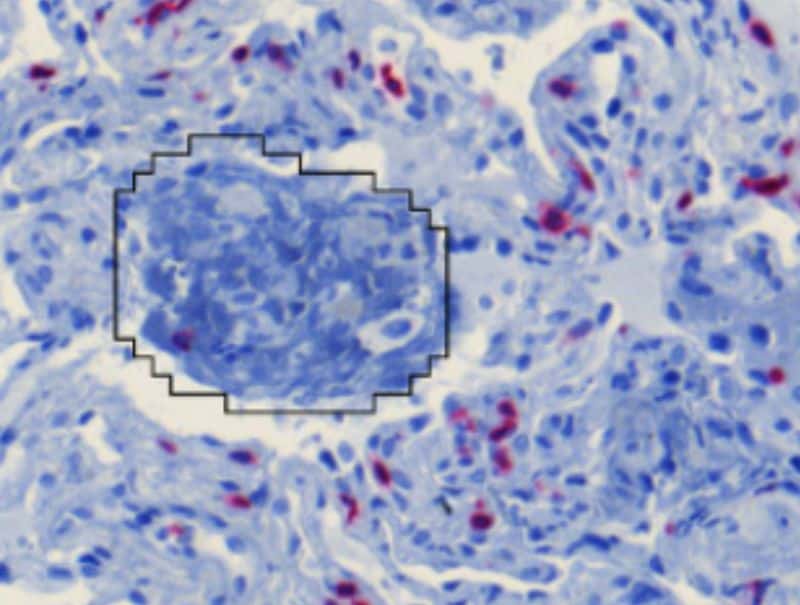
VisioPharm's CD3, Lung Transplantation is available in Pathflow

CD3, Lung Transplantation

Partner: VisioPharm
Tissue Type: Lung (NSCLC)
Stain / Modality Type: IHC (DAB)
RUO
Automated quantification of CD3-positive T lymphocytes in lung transplant biopsy tissue to measure T-cell infiltration and CD3-positive area ratios for research into acute rejection and inflammatory status.

Don’t See What You’re Looking For?

If your organization is developing a novel algorithm, replacing an existing AI tool, or exploring proprietary AI strategies, Gestalt can help.

Our AI Custom Solutions team partners with labs, health systems, and research organizations to design, build, and deploy custom pathology AI — using your data, your workflows, and your goals.